How a Viral TikTok Trend Helped Turn Car Theft Into Internet Entertainment
What started as short viral videos showing how to steal certain Kia and Hyundai vehicles quickly turned into a nationwide crime wave. The “Kia Boys” trend exposed how social media can rapidly spread not just information, but criminal behavior itself. The trend also raised uncomfortable questions about platform responsibility, youth influence, and how online attention can normalize reckless behavior.
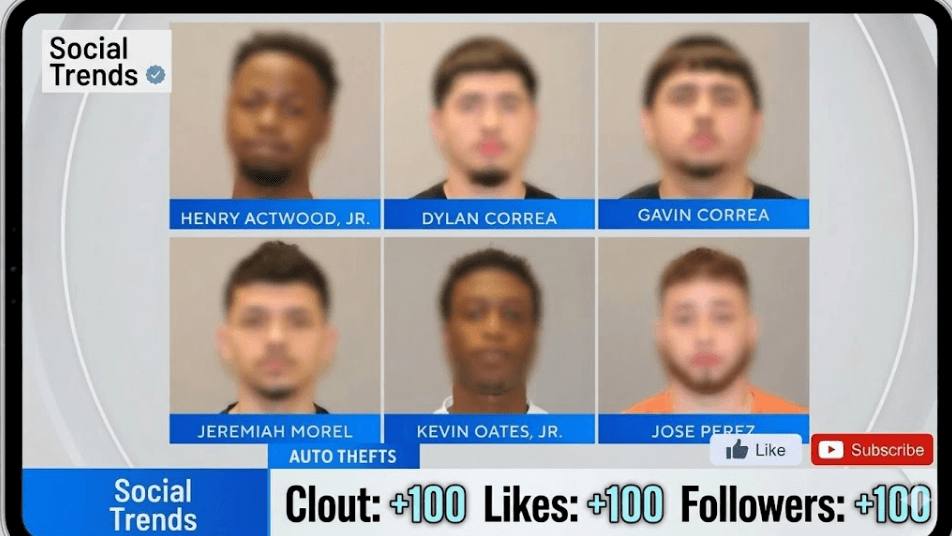
Beginning around 2021 and exploding through 2022, videos spread across TikTok showing users how to steal certain older Kia and Hyundai vehicles using simple tools like USB cables. The exploit reportedly worked because some models lacked engine immobilizers, a security feature common in many other vehicles. Theft videos quickly spread online, often paired with music, jokes, joyriding clips, and viral challenge-style editing.
The result was not just internet attention. Actual thefts surged. Multiple cities across the United States reported massive spikes in Kia and Hyundai thefts connected to the trend. Some police departments said the vehicles became among the most stolen cars in their regions during the height of the craze. Insurance companies in some areas even began raising rates or refusing coverage on certain models because theft risk became so high.
People were not hiding the behavior.
They were recording it for attention.
-
stolen vehicles being crashed
-
reckless driving
-
group theft activity
-
police chases
-
vandalism
-
underage participants
Humans copy behavior.
Always have.
But social media massively accelerated:
-
speed of imitation
-
visibility of criminal acts
-
normalization of reckless behavior
-
social reinforcement
Monkey see, monkey do did not disappear in the internet age. It got amplified by the algorithm. This probably will not be the last crime trend shaped by social media mechanics. Because once criminal behavior becomes entertaining, viral, and socially rewarded, then it stops functioning like traditional crime culture and starts functioning like online performance culture.