Kids Off Social Media Act?
Another Bait Titlte
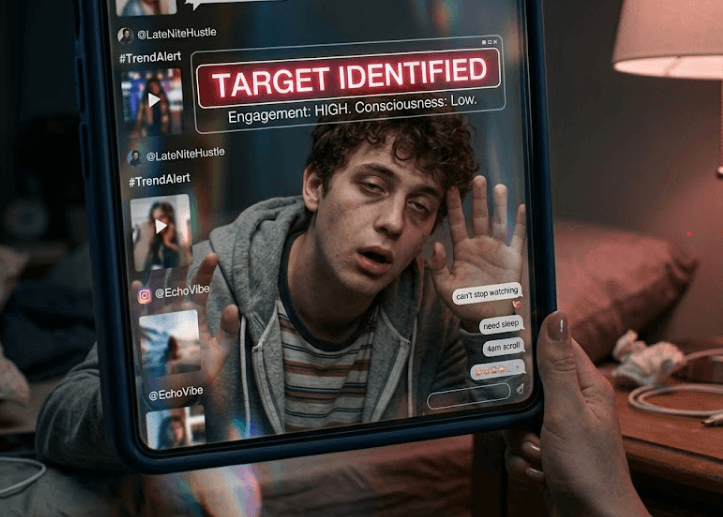
The Kids Off Social Media Act is one of those laws that immediately sounds reasonable when you first hear the name, but it’s another misleading name for a proposed law. Let’s break it down quickly.
I don’t have kids, but I can see the temptation to just let them be. But seeing them glued to TikTok for six hours a day? That’s when you have to start wondering what’s really going on.
Social media is the best at spreading information and behaviors quickly. The behavior spread is what concerns me most because it tends to be the worst behaviors that are promoted by algorithms. They are the most shocking to grab the most attention or clicks. Any nobody with a following can convince somebody to imitate them. The "monkey see, monkey do" instinct is still a core human trait, and social media essentially puts it on steroids.
It works best on our weakest minds: our kids. Their minds are soft, impressionable, and easily influenced. It seems like the whole world agrees that social media is the devil, and the solution is to give them our private and personal information so they can stop being the devil.
How will they do that? There’s still room for change, but here’s the flowchart.
If a kid creates an account, the platform would first have to determine whether that person is underage. To do that, companies may require:
- Uploading an ID
- Facial age scanning
- Linking to a parent account
- Third-party age verification services
Once the devil—I mean social media—identifies the user as a minor, the law would then force the app into a restricted mode.
So the law’s actual enforcement is not:
"Ban kids from social media."
It is:
"Force platforms to identify minors, then legally cripple the addictive features for those accounts."
So kids are not kicked off social media like the title suggests. But social media may be able to require users to provide government ID for use. That implies a longer conversation.